BACK
Dec 7, 2025
The Art of Invisible Work: What Design Can Learn from Mastery
I’ve always been fascinated by how mastery looks in action. When someone has trained so deeply that their movements, decisions, and responses feel effortless. It’s not about speed or flash — it’s about precision, instinct, and quiet control.
That idea of invisible effort resonates deeply with the work I do as a product designer. Designing software, interfaces, or systems is not just about making things work — it’s about making them feel alive, intuitive, and effortless for the people using them.
In design, three concepts help me think about this: sprezzatura, wabi-sabi, and asymmetry.
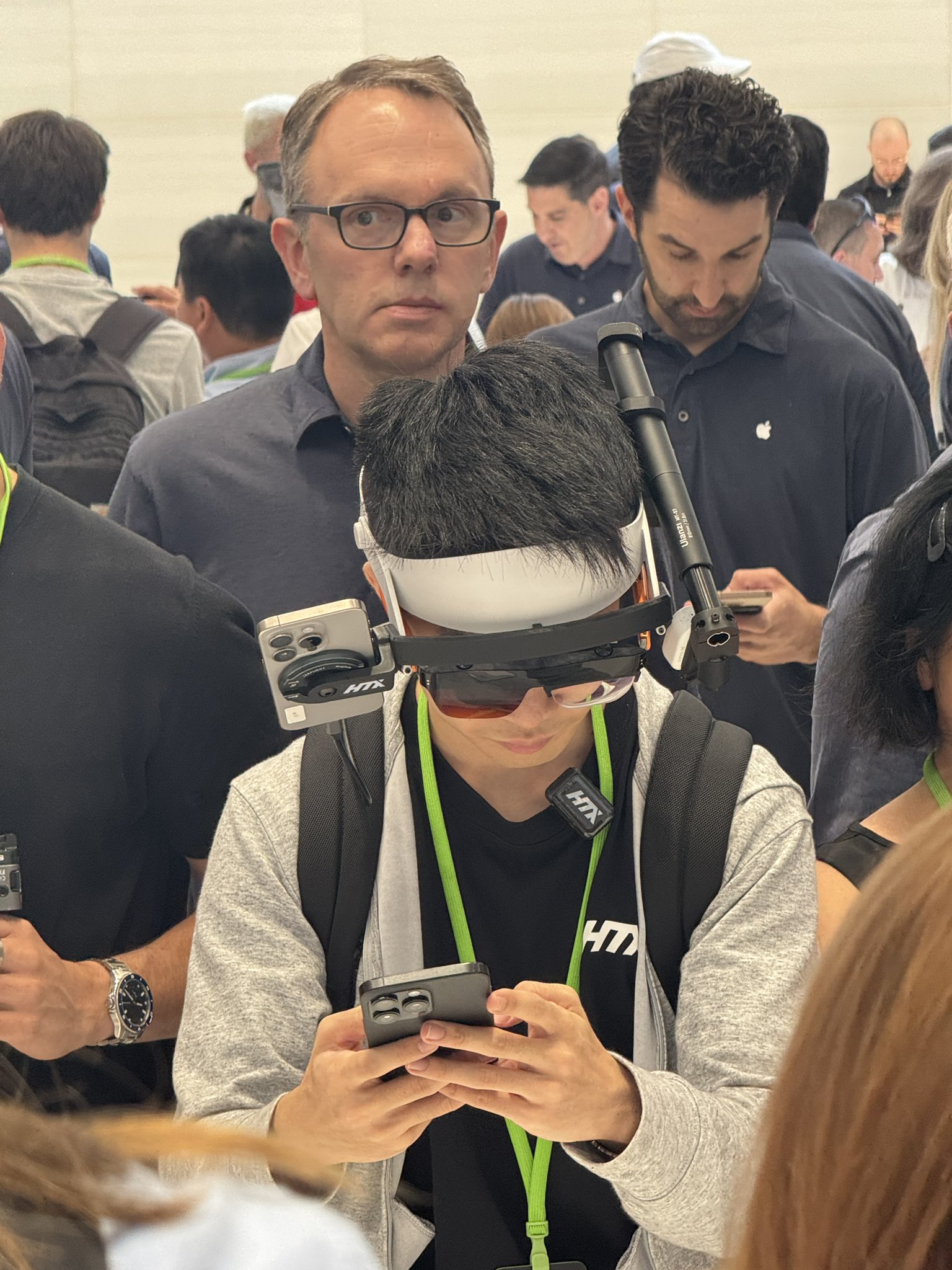
Sprezzatura: Making the Hard Look Easy
Sprezzatura is an old Italian idea: doing difficult things so well that they appear effortless. In design, it shows up when a layout feels natural, a system holds, a logo just fits. You can feel the thought and craft behind it, but nothing is shouting, look at how smart I am.
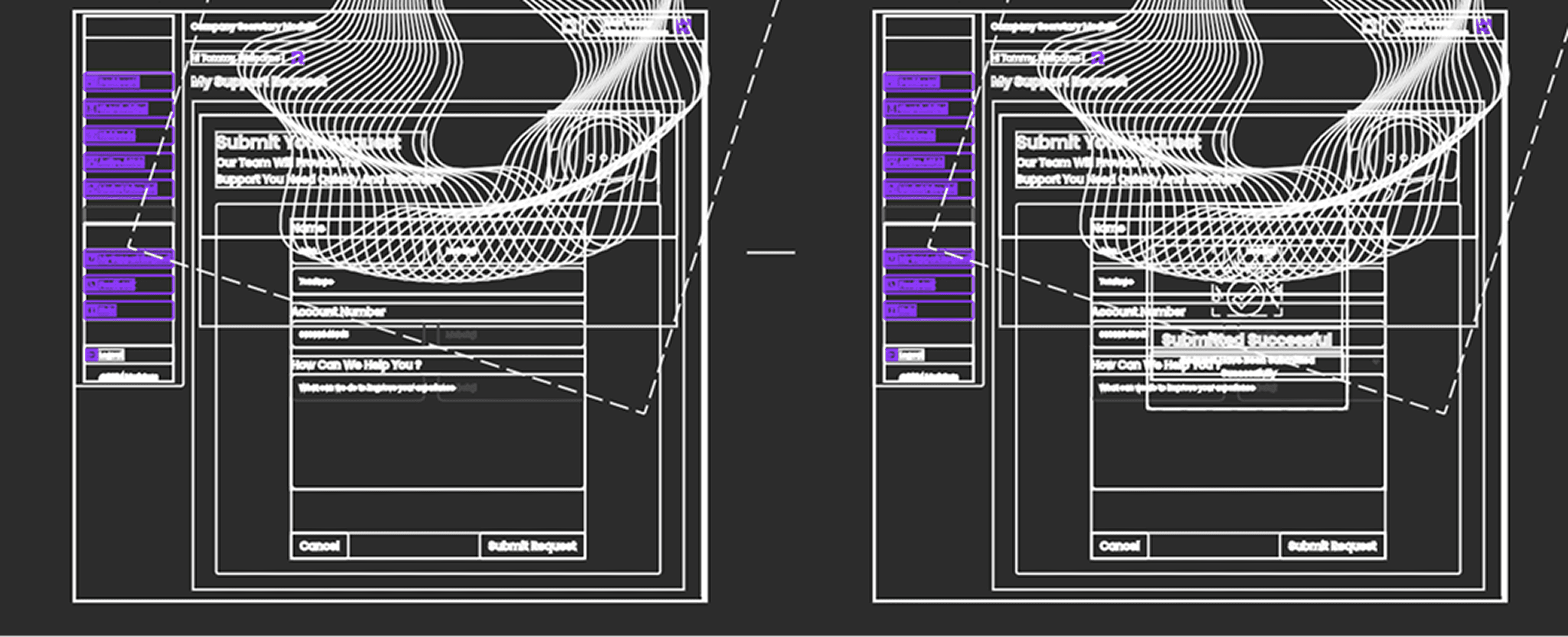
Wabi-Sabi: The Beauty of Imperfection
Wabi-sabi is Japanese, rooted in Zen. It’s the idea that imperfection, texture, and time add character. In design, it shows up when we let materials, shapes, or surfaces speak for themselves. A rough edge, subtle asymmetry, or faded surface can make a product feel authentic and human.

Asymmetry: Tension That Keeps Work Alive
Perfect symmetry often signals control or safety. But a touch of asymmetry introduces tension, movement, and humanity. In design, it’s what prevents layouts from feeling sterile. It can be intentional, like offset grids in a UI, or a natural result of letting the work breathe.

Restraint: The Common Thread
What connects all three ideas is restraint. Knowing when to stop adjusting, when not to over-fix, when to leave space or imperfection. Restraint is the sign of mastery. It’s what makes effort invisible, honesty evident, and design alive.
Design isn’t about perfection. It’s about clarity, confidence, and tension. Sometimes the most disciplined choice is to leave things real.
Tying It to Product Design
In software and product design, this philosophy translates to:
Interfaces that don’t scream look at me but guide effortlessly.
Systems that are flexible and human, not rigid and over-engineered.
Visuals and interactions that feel intentional, not forced.
Ultimately, design like mastery in any craft is about the invisible work. The choices no one notices until they aren’t done.
More